

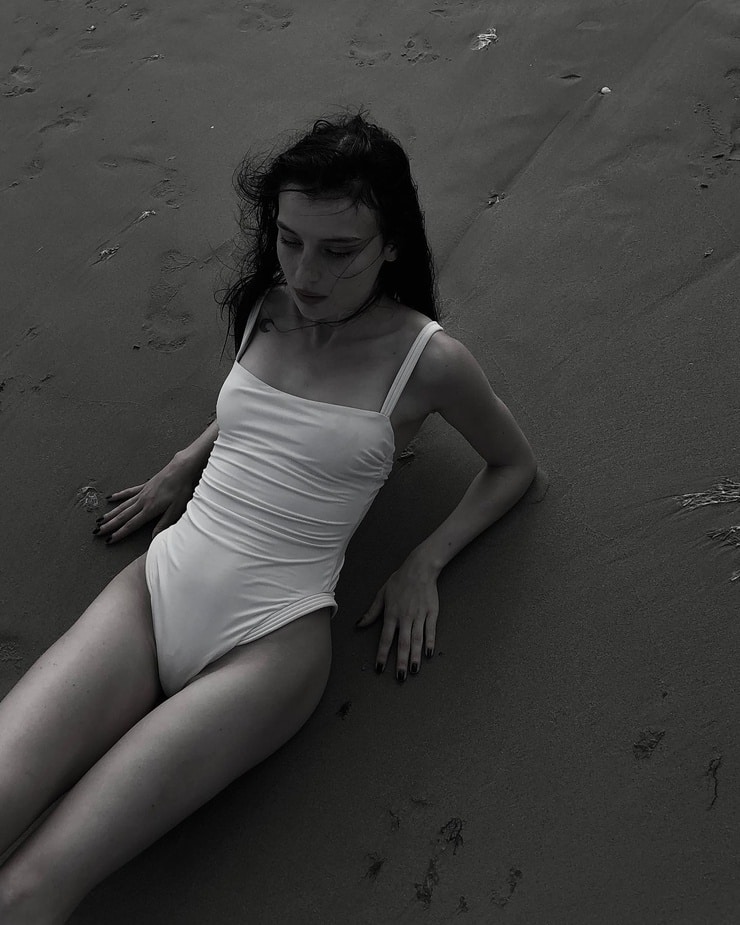
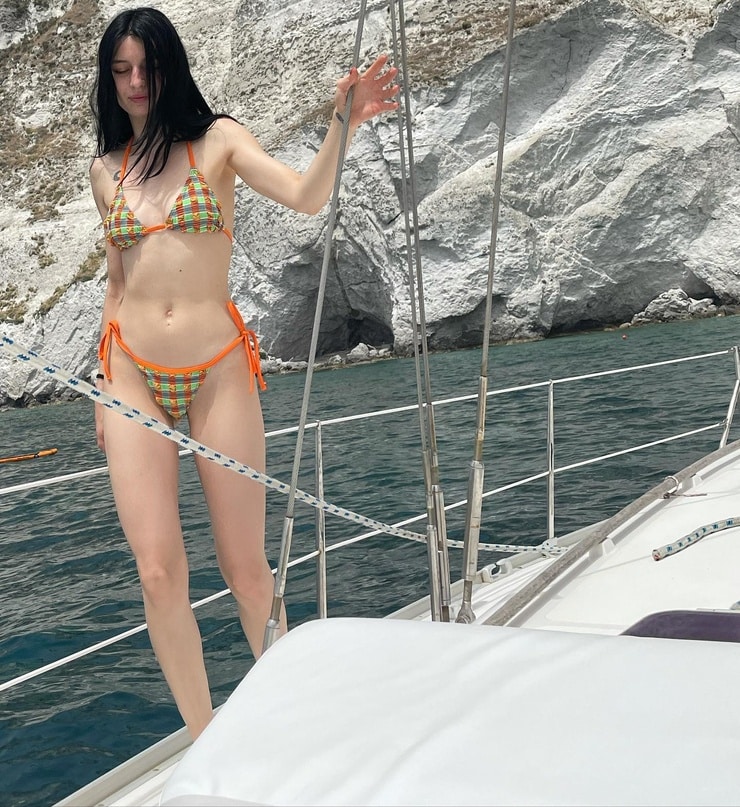

What stood out most about Pagani in Baby wasn’t just her acting talent, but her ability to convey realness in a world of artifice. She played Ludovica as both fragile and strong, a reflection of the contradictions that exist in all of us. The series may have been fictional, but her portrayal felt disarmingly honest — the kind of performance that makes viewers feel seen. It was clear from then on that Alice wasn’t just another actress riding the wave of a popular show; she was an artist with something to say.


As her fame grew, so did her refusal to conform. In an industry often obsessed with perfection, Alice Pagani has built her brand on authenticity. Her personal style — a mix of vintage-inspired elegance, punk rebellion, and effortless Italian chic — has made her a fashion muse in her own right. She’s collaborated with luxury houses like Gucci and Fendi, appearing in campaigns that celebrate individuality rather than conformity. What’s refreshing about Pagani is how naturally her sense of self translates across art, fashion, and culture. She’s never trying to fit a mold; she’s creating her own.
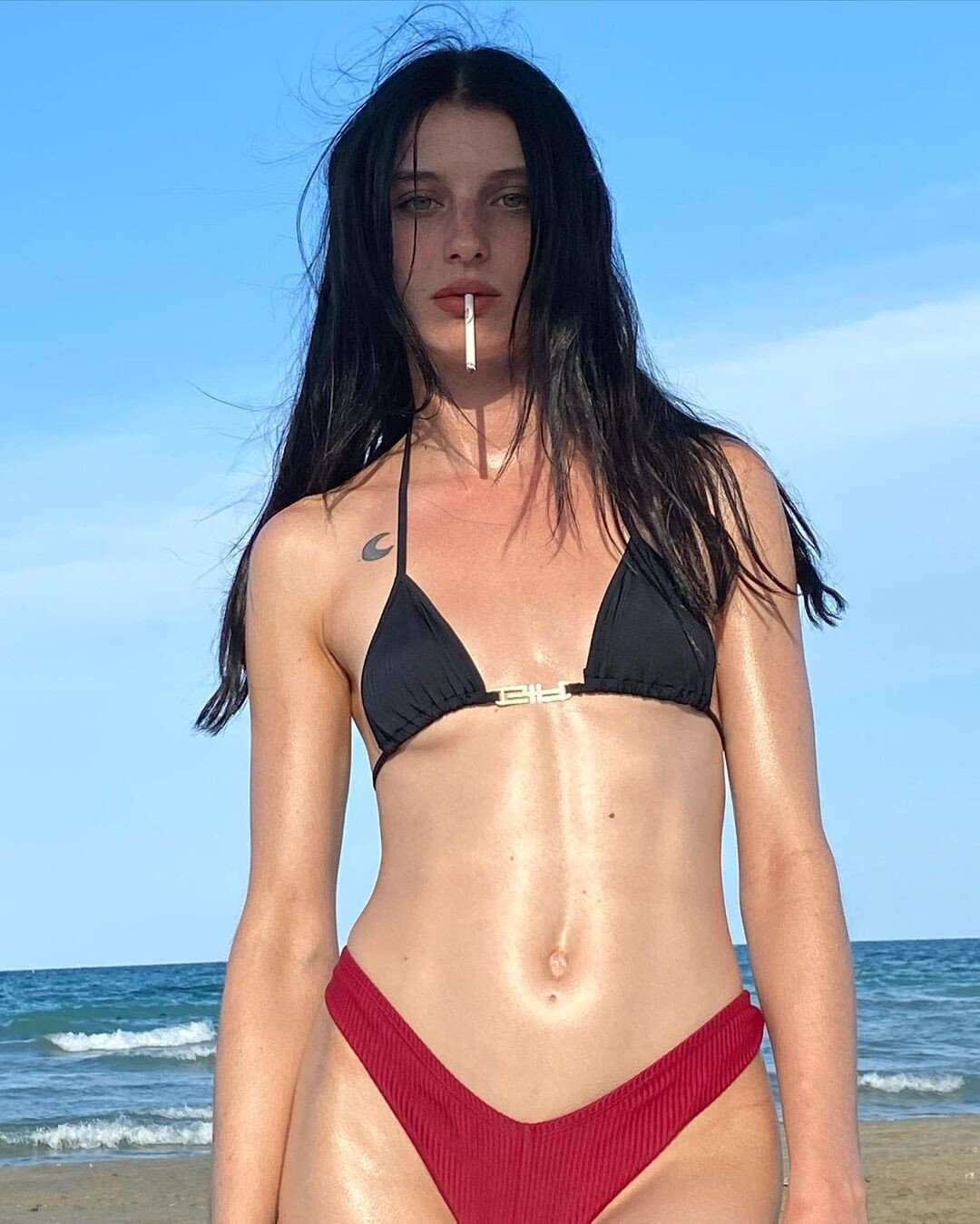


Beyond her aesthetic, Alice has used her growing platform to advocate for self-expression and self-acceptance. She’s been vocal about issues surrounding body image, identity, and the pressures of social media. In interviews, she’s often emphasized the importance of being unapologetically oneself, even when it goes against the grain. “Perfection is boring,” she once said. “I’m interested in truth — even when it’s messy.” That sentiment captures much of what defines her appeal. She represents a kind of modern femininity that’s grounded in honesty — bold, expressive, and never afraid of imperfection.