

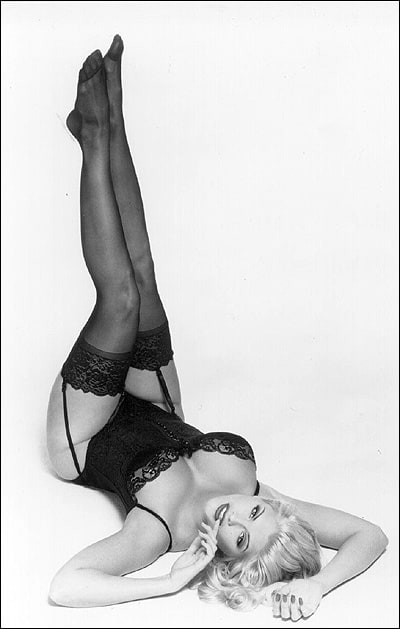
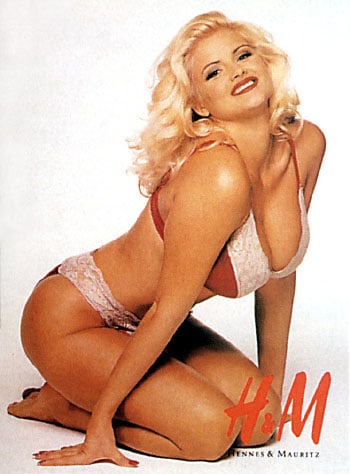

But Anna Nicole Smith’s life was not confined to modeling alone. She became a cultural touchstone for the American obsession with wealth, romance, and scandal after marrying J. Howard Marshall, an 89-year-old billionaire oil tycoon, in 1994. The marriage, widely covered by tabloids, brought her both notoriety and financial security, though it also exposed her to relentless public scrutiny. Critics questioned her motives, while supporters defended her autonomy and ambition. The intense media attention surrounding this union positioned Anna as both a cautionary tale and a symbol of celebrity audacity.

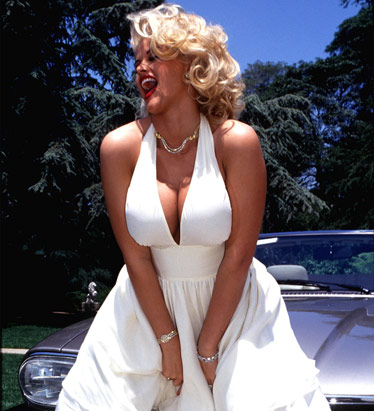
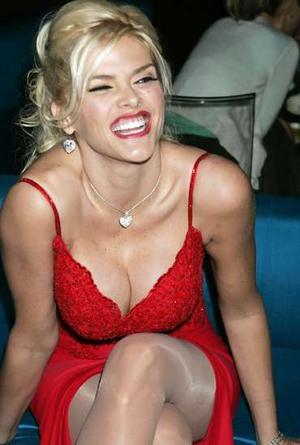
Beyond the tabloid headlines, Anna pursued a diverse career in entertainment. She appeared in television shows, movies, and reality programming, most notably her 2002 reality series, The Anna Nicole Show. The show offered a glimpse into her personality beyond the paparazzi lens: humorous, self-aware, and endearingly human. It allowed audiences to see Anna as more than a headline — as someone grappling with fame, personal loss, and the challenges of balancing public persona with private life.

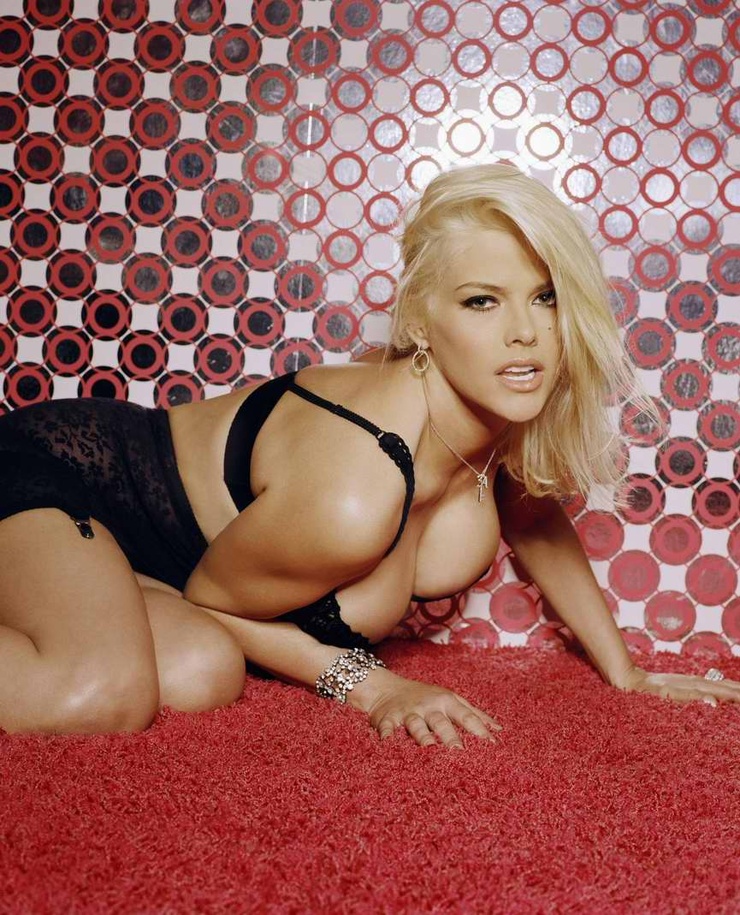

Tragically, her life was punctuated by loss and personal struggles. Anna endured the death of her son, Daniel, in 2006, followed by her own untimely death later that year from an accidental overdose. These events highlighted the pressures and vulnerabilities that often accompany fame, underscoring the human cost behind the glamour and spectacle. Despite these tragedies, Anna’s story continues to captivate and provoke discussion about celebrity culture, media responsibility, and the nature of public fascination.
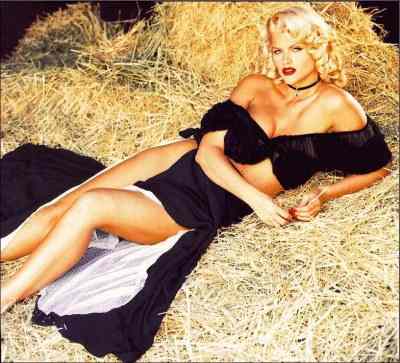
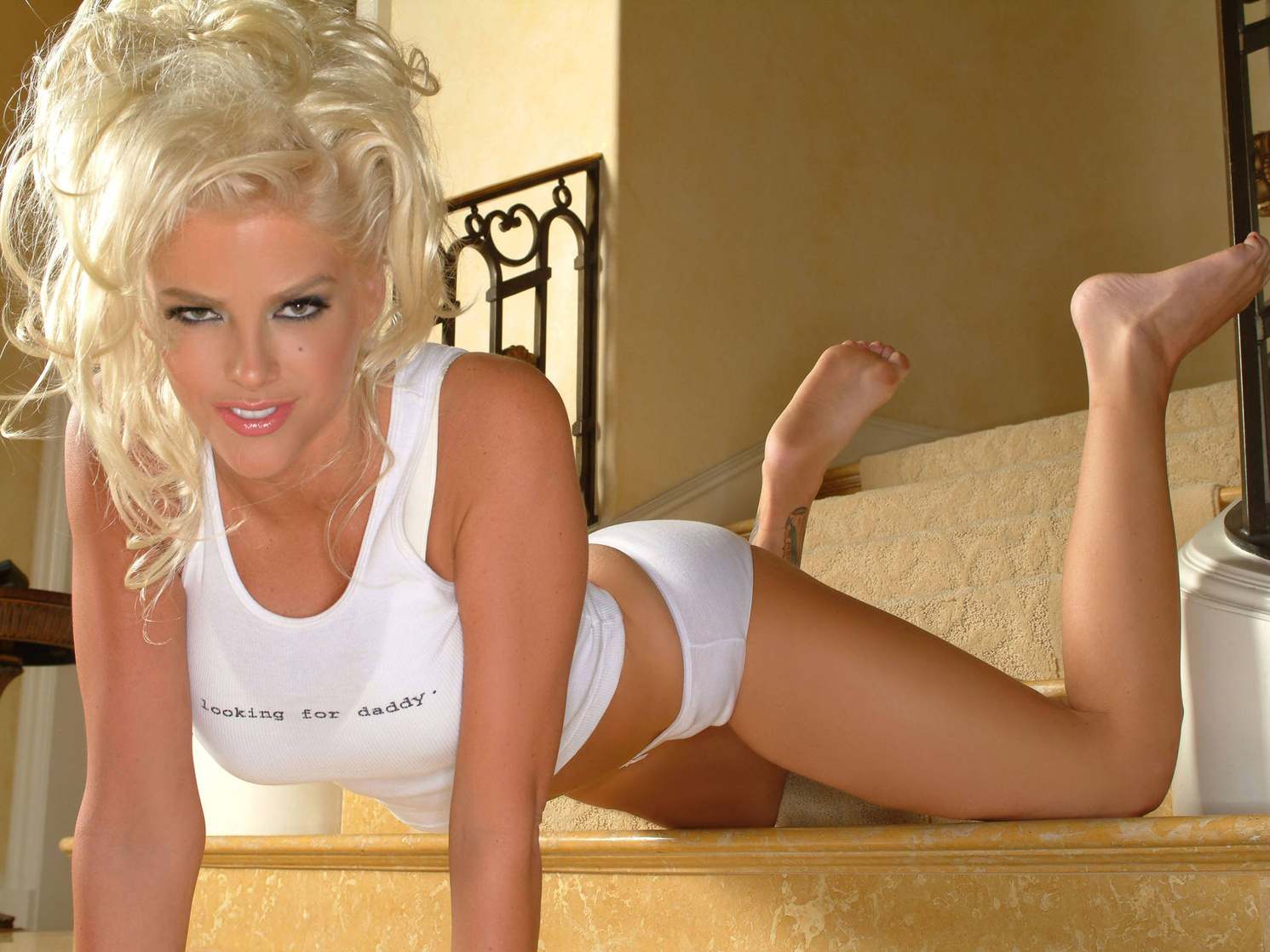

Anna Nicole Smith’s legacy is multifaceted. She was a model, actress, reality star, and entrepreneur whose influence extended beyond her immediate work. She helped redefine beauty standards for her era, pushing boundaries in modeling, fashion, and media. Her charisma, confidence, and resilience offered inspiration to fans who saw her as someone unafraid to pursue her desires in the face of societal judgment.